Common Causes Of Clogged Floor Drains or Laundry Drains In Homes
Local contractors who specialize in floor and laundry drain clearing can identify and resolve common causes of clogs, helping your drains flow freely again.
Homeowners often encounter issues with clogged floor drains or laundry drains, making it essential to understand the common causes behind these blockages. Items such as soap scum, hair, dirt, and debris can gradually accumulate over time, leading to slow draining or backups. Additionally, grease and oils from household products or laundry can solidify within pipes, creating stubborn clogs that hinder proper drainage. Recognizing these typical culprits can help property owners take proactive steps to prevent future problems and maintain smooth, efficient drainage systems.
For those experiencing persistent drainage issues, reaching out to local contractors who specialize in floor drain and laundry drain clearing can provide effective solutions. These service providers are equipped to diagnose the root causes of blockages and perform thorough cleaning or repairs as needed. Exploring options with experienced local professionals ensures that drainage concerns are addressed efficiently, helping to keep the home’s plumbing system functioning properly and avoiding more costly repairs down the line.
- Floor drain clearing - needed when debris like dirt, hair, or soap buildup causes clogs in basement or garage floor drains, with local contractors using specialized tools to remove blockages.
- Laundry drain clearing - required when lint, fabric fibers, or soap scum accumulate in laundry drains, and service providers typically perform thorough cleaning to restore proper flow.
- Floor drain cleaning - necessary if standing water or slow drainage indicates a blockage caused by grease, sediment, or foreign objects, with local pros employing hydro-jetting or snaking techniques.
- Laundry drain maintenance - recommended when recurring clogs happen due to soap residue or lint buildup, with local contractors offering routine inspections and clearing services.
- Clog removal services - essential when common causes of clogged floor drains or laundry drains in homes lead to backups, with service providers diagnosing and clearing obstructions efficiently.
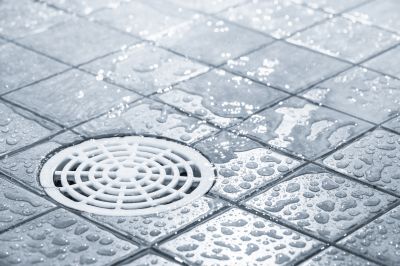
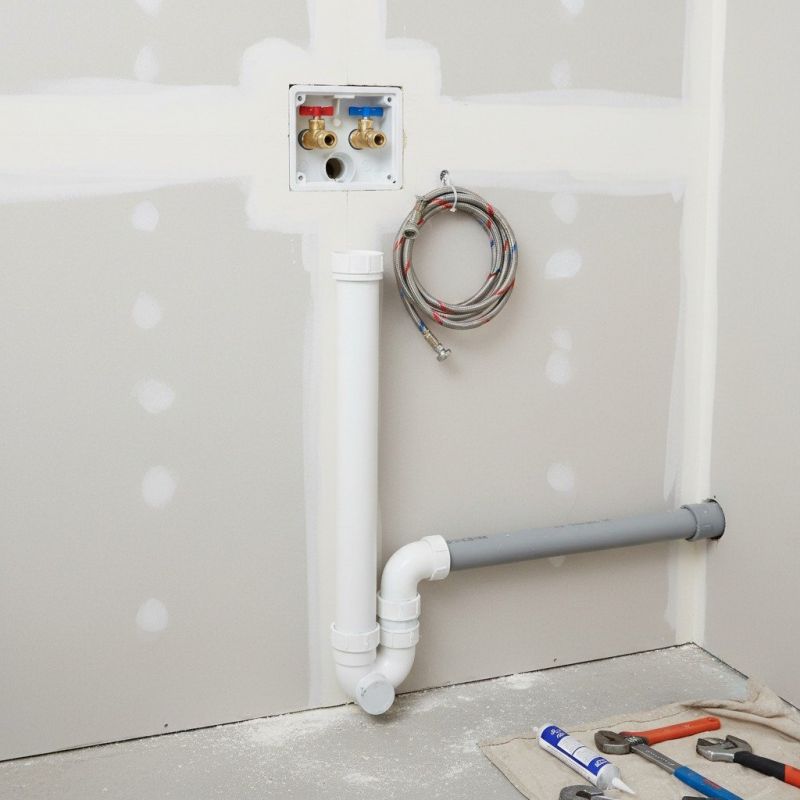
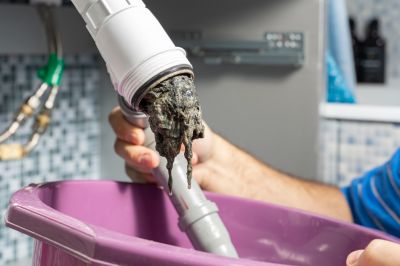
When homeowners search for information about common causes of clogged floor drains or laundry drains in homes, they are usually experiencing or trying to prevent issues related to slow drainage or standing water in these areas. Floor drains are often found in basements, laundry rooms, or utility areas, and their primary function is to prevent flooding by directing excess water away. When these drains become clogged, it can lead to water backup, unpleasant odors, or even potential water damage. Understanding what causes these blockages helps homeowners plan effective solutions and recognize when professional help is needed to clear the drains and restore proper flow.
The problems associated with clogged floor or laundry drains often stem from a variety of common causes. One frequent culprit is the accumulation of debris such as dirt, hair, lint, or soap scum that naturally collects over time. In laundry drains, lint from washing machines can build up and create obstructions, especially if the drain trap isn’t regularly cleaned. Other causes include the buildup of mineral deposits from hard water, which can harden and restrict flow, or the intrusion of small objects that accidentally fall into the drain opening. Recognizing these causes helps homeowners understand the importance of routine maintenance and when to seek professional drain clearing services.
Certain types of properties tend to experience these drain issues more frequently. Homes with older plumbing systems may be more susceptible due to corroded pipes or outdated materials that are prone to clogging. Properties located in areas with hard water often face mineral buildup, leading to slow drainage or complete blockages. Additionally, homes with high occupancy or frequent laundry use may see quicker accumulation of lint and debris in laundry drains. Commercial or multi-family buildings with multiple laundry stations or utility areas also experience higher instances of drain clogs. For these property types, regular inspections and professional drain cleaning services can help prevent major problems and maintain proper drainage.
Understanding the common causes of clogged floor drains or laundry drains in homes highlights the importance of timely maintenance and professional assistance. Local service providers specializing in drain clearing are equipped to diagnose the specific cause of a clog and perform effective cleaning methods. Whether it’s removing hair, lint, mineral deposits, or other debris, these pros can help restore proper drainage and prevent future issues. For homeowners facing persistent or recurring drain problems, connecting with experienced local contractors ensures that the root causes are addressed efficiently, helping to keep utility areas functioning smoothly and avoiding costly water damage or repairs down the line.
Drain Inspection and Camera Services - these services help identify blockages or buildup that contribute to clogged floor or laundry drains, requiring similar planning and equipment as drain clearing.
Pipe Repair and Replacement Projects - repairing damaged or corroded pipes can prevent future clogs, involving skills and tools used in drain maintenance and cleaning.
Sewer Line Cleaning and Maintenance - addressing deeper sewer line issues can resolve recurring drain clogs, sharing techniques and equipment with drain clearing services.
Hydro Jetting Services - high-pressure water cleaning is often used to remove stubborn obstructions in drains, aligning with the methods employed in drain clearing.
Grease Trap Cleaning - removing grease buildup prevents clogs in drain systems connected to kitchen or laundry areas, requiring similar planning and equipment.
Plumbing Leak Detection - detecting leaks can uncover hidden causes of drain blockages and help prevent future clogs, utilizing diagnostic tools common in drain maintenance.
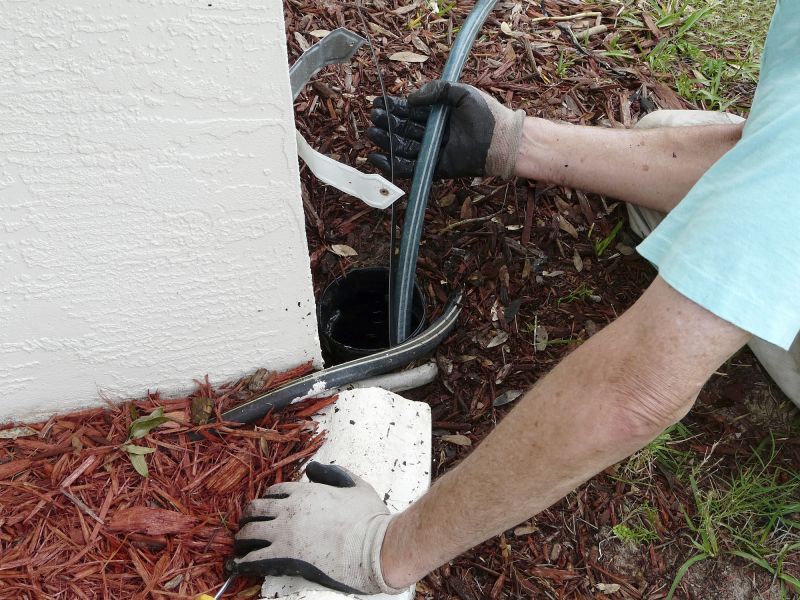
When evaluating service providers for floor drain or laundry drain clearing, it’s important to consider their experience with similar projects. Homeowners should seek out local contractors who have a proven track record in addressing common causes of clogged floor drains or laundry drains in homes. An experienced professional will be more familiar with the typical issues that lead to blockages, such as debris buildup, grease, or foreign objects, and will be better equipped to diagnose and resolve these problems efficiently. Asking about past work related to drain clearing can help gauge their familiarity with the specific challenges that may arise in residential settings.
Clear, written expectations are essential when comparing local contractors for drain clearing services. Homeowners should look for providers who can explain their process, what the job will entail, and any potential follow-up steps in understandable terms. Having a detailed scope of work helps ensure that both parties have aligned expectations and reduces the chances of misunderstandings. It’s also helpful to inquire whether the contractor offers any guarantees or warranties on their work, which can provide added confidence in the quality of the service.
Reputable references and good communication are key factors in choosing the right service provider. Homeowners are encouraged to ask local contractors for references from previous clients who had similar drain issues. This can provide insight into the contractor’s reliability and the effectiveness of their work. Additionally, good communication throughout the process-such as prompt responses to questions and clear explanations-can make the experience smoother and more transparent. Selecting a provider who demonstrates professionalism and responsiveness can help ensure the drain clearing service meets expectations and effectively addresses the common causes of clogs.
Property owners often search for common causes of clogged floor drains or laundry drains in homes when they are planning practical projects around their homes and businesses. Local pros provide Floor Drain or Laundry Drain Clearing services for everyday jobs and straightforward project options.
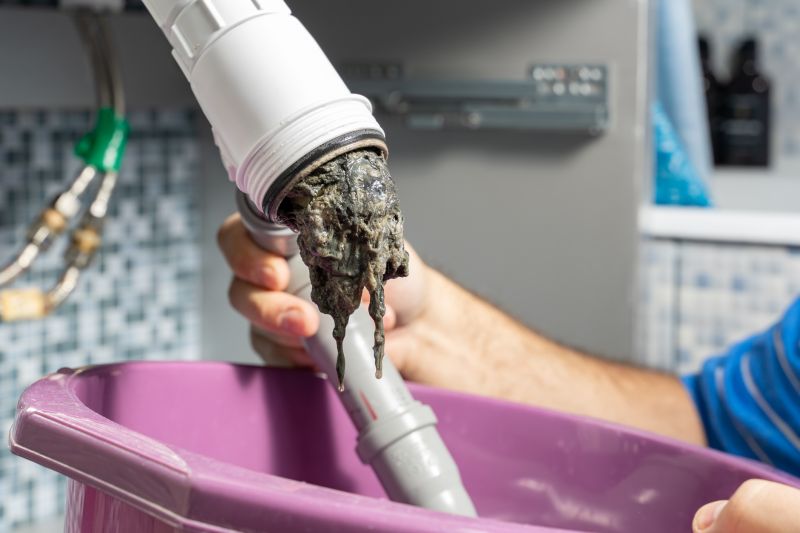
Understanding the common causes of clogged floor drains or laundry drains in homes can help property owners identify potential issues before they become major problems. Everyday activities, such as washing large loads of laundry or using the basement or garage drains frequently, can lead to blockages over time. Accumulation of lint, soap scum, hair, and debris often contributes to clogs, especially when drains are not regularly maintained. Additionally, items like small objects or dirt that slip into the drain can cause obstructions, making it important for homeowners to be mindful of what goes down these drains.
Property owners experiencing slow drainage or recurring backups may consider reaching out to local contractors who specialize in drain clearing services. These professionals have the tools and expertise to effectively remove stubborn blockages caused by buildup or foreign objects. Regular drain cleaning can also prevent future issues, ensuring that floor and laundry drains function smoothly. Consulting with experienced service providers can help maintain the plumbing system’s performance and avoid inconvenient or costly repairs down the line.
What are common causes of clogged floor drains or laundry drains in homes? Common causes include accumulation of debris like hair, soap scum, dirt, and lint that can build up over time and block the drain pipes. Additionally, small objects or foreign materials accidentally dropped into the drain can cause blockages. Grease or oil buildup may also contribute, especially in drains connected to laundry areas. Local contractors experienced in drain clearing can identify and remove these obstructions effectively.
How does lint from laundry contribute to drain clogs? Lint from laundry often accumulates in drains, especially if there is no lint trap or filter. Over time, this buildup can form a clog that restricts water flow. Regular cleaning and maintenance by service providers can prevent lint from causing persistent blockages in laundry drains.
Can soap scum cause floor or laundry drain clogs? Yes, soap scum can build up on the interior walls of drain pipes, gradually narrowing the passage and leading to clogs. This buildup is common in drains that handle frequent washing or cleaning activities. Professional drain cleaning services can remove soap scum and restore proper flow.
What role do foreign objects play in clogging drains? Foreign objects such as small toys, jewelry, or hygiene products can accidentally fall into floor or laundry drains, causing immediate or eventual blockages. Local pros can retrieve and clear these objects to restore drainage.
How can regular maintenance help prevent drain clogs caused by debris? Regular inspection and cleaning of floor and laundry drains can remove accumulated debris before it causes a blockage. Service providers can perform thorough drain clearing and recommend preventive measures to keep drains flowing smoothly.
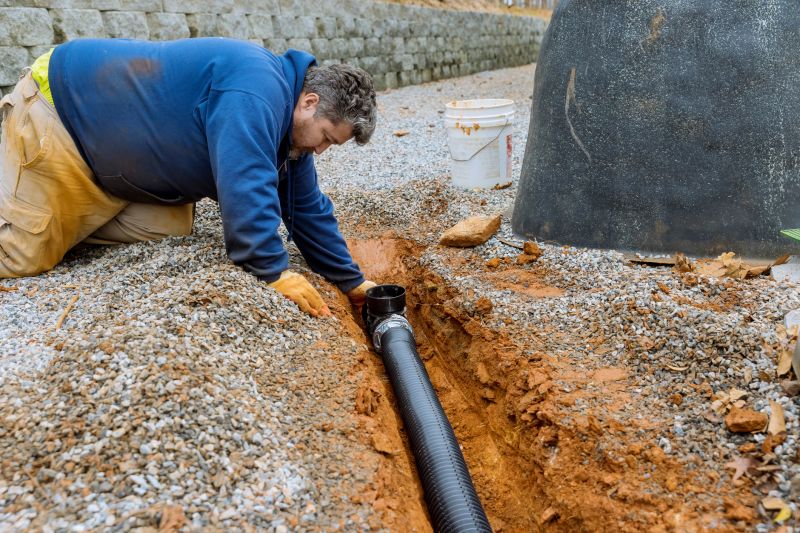
Accumulated hair and debris can clog floor and laundry drains, so property owners may consider routine cleaning services from local contractors to prevent buildup. Grease and soap scum often cause blockages; scheduling regular drain inspections can help identify and remove these obstructions early. Foreign objects or small items accidentally washed down drains can lead to clogs; local pros can assist with removing stubborn blockages safely and effectively. Tree roots infiltrating underground pipes may cause drain backups; property owners might explore professional root removal and pipe repair services to maintain proper drainage.
If you are thinking about common causes of clogged floor drains or laundry drains in homes for a property, this guide is meant to help you understand this topic, the typical project types, and how different options might fit your plans.
When you are ready, you can use the quote form on this page to share a few details about your project. From there, local pros can review the basics and follow up with options that match what you have in mind.